


Clutter in your home can be more than just a nuisance. In fact, it has been proven that it can contribute to higher stress levels, procrastination and even difficulty with relationships. So why do we do it, and more importantly, how can we stop it taking over? In this guide we’ll walk you through how to declutter your home in a few simple steps, so that your home can become somewhere you can truly unwind.
What Causes Clutter?
Put simply, clutter is a collection of unused, unwanted or unorganised items that take up space in your home without adding value to your everyday life. Clutter can build up gradually, so many people find it difficult to recognise just how much has accumulated over time.
Some of the most common causes of clutter include:
Emotional Attachment
Perhaps it’s an outfit your child grew out of many years ago or a shell from the first beach you visited – mementos, keepsakes and sentimental items can quickly take up valuable space in your home.
Keeping Things ‘Just in Case’
Ever held onto something ‘just in case’ it could be used at some point down the line, despite not having used it in years? We’ve all been there.
Lack of Storage Space
One of the most common causes of clutter is simply not having enough space. When cupboards are already full, everyday items end up taking over the worktops, floors and other living spaces.
Buying More Than We Need
Impulse purchases, regular shopping, taking advantage of sales and buying replacements can all contribute to a build-up of belongings, particularly when older items aren’t getting used or thrown away.
The Benefits of Decluttering
While the clearest benefit of decluttering your home is that it will look tidier on the surface, creating a more organised living space has several other benefits:
More Space to Enjoy
Whether it’s to make a more functional spare room, or for simply having space to play a game with your loved ones, removing unnecessary belongings can free up valuable space, making it easier to use your home as intended and create new memories.
A Fresh Start
From welcoming a new family member to preparing for a house move, decluttering can help you make room for the next chapter.
Easier to Clean & Maintain
With fewer items taking up surface and floor space, everyday cleaning can become much simpler.
Less Stress & Overwhelm
A cluttered environment can make it hard to relax and feel truly ‘at home’. Having fewer belongings to organise and look after can help create a calmer living space.
Where Do I Start?
When faced with rooms of ‘stuff’, even the thought of decluttering can feel unachievable. But, when you break it down into steps, it can feel a lot less overwhelming.
1. Decluttering Essentials: Checklist
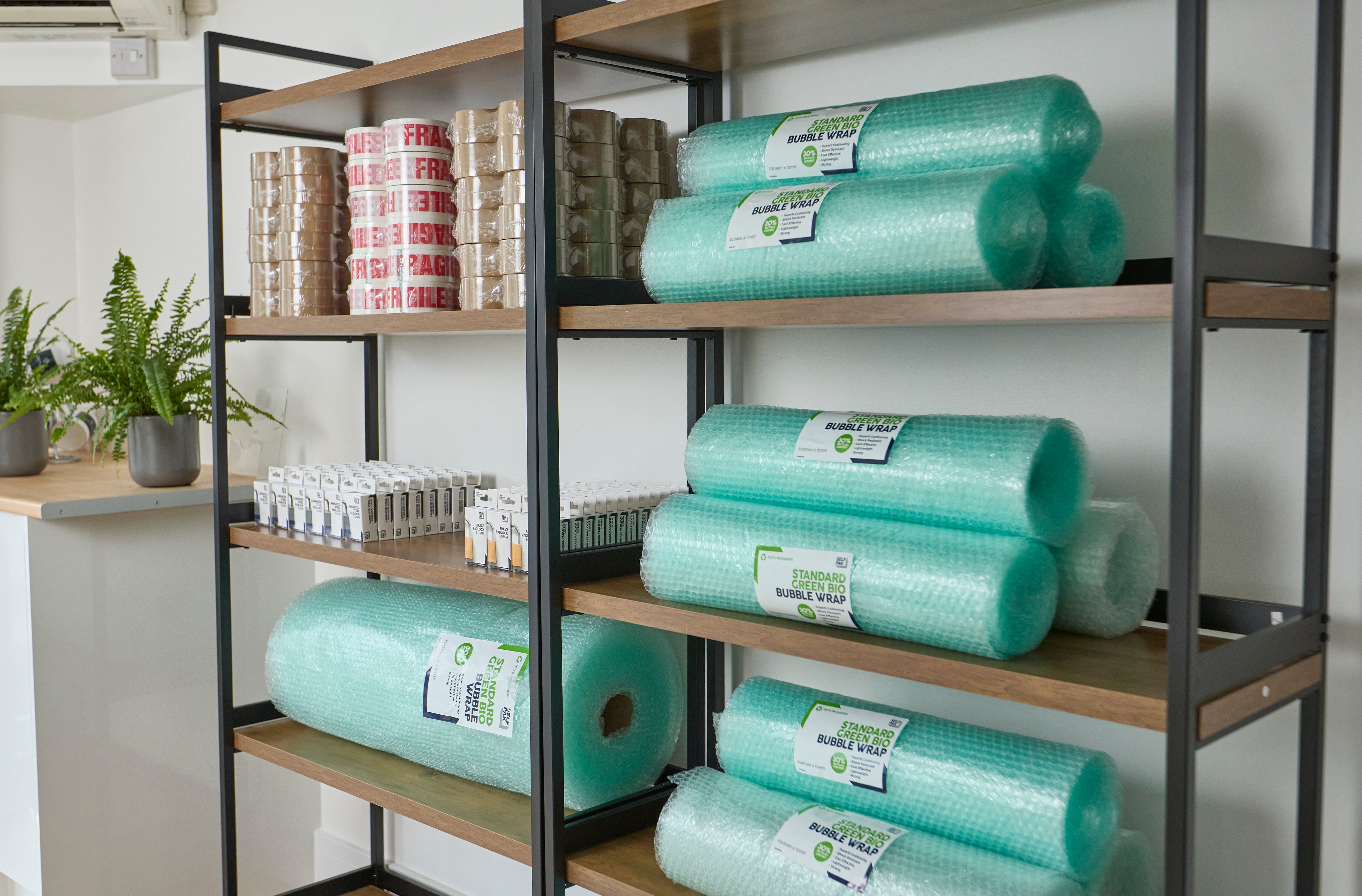
Before you start, make sure you have the essentials. After all, you wouldn’t go into battle unarmed!
- Bin bags – for disposing of rubbish and items that are no longer in good enough condition to us
- Storage boxes and baskets – for organising belongings you want to keep
- Pens – for labelling storage boxes
- Cleaning supplies – to wipe down shelves and surfaces that have been cleared
2. Create Your Plan of Action
Take the time to put a simple plan in place. Think about which areas of your home need the most attention, rather than trying to tackle every room in one go. Make a list of priorities and work through them gradually. Give yourself the satisfaction of crossing something off the list when complete.
A good place to start could be an overcrowded wardrobe, a spare room that’s become a dumping ground or you could even start as small as a handbag that’s filled to the brim.
Make sure you set yourself realistic goals that allow you enough time to sort through your belongings properly, without feeling rushed.
3. Sort Your Belongings into Categories
As you work through each area, separate your belongings into four categories:
- Keep: Items you regularly use, need or genuinely want to keep.
- Donate: Good-quality items that someone else could make use of.
- Sell: Items that are still in good condition and could earn you some extra money.
- Throw away: Broken, damaged or unusable items that are no longer worth keeping.
Be honest with yourself when deciding what to keep. If you haven't used something in years and have no realistic plans to use it again, consider whether it's worth taking up valuable space.
However, while creating space is empowering, you shouldn’t feel the pressure to part with something of sentimental value due to a lack of space. For possessions you want to keep but don't have room for at home, it’s worth considering alternative storage options.
4. Organise the Belongings You're Keeping
Once you've decided what to keep, it's time to find a proper place for everything.
Use storage boxes, drawer dividers and shelving to make the most of your available space. Group similar belongings together and label boxes so you can easily find what you're looking for.
Try to keep frequently used items somewhere accessible, while seasonal or occasional belongings can be stored away until they're needed.
5. Consider Self-Storage for Belongings You Don't Use Everyday
Decluttering doesn't mean getting rid of everything. You might have seasonal decorations, sports equipment, furniture, business stock or sentimental belongings that you want to keep but don't currently have room for.
This is where self-storage can help.
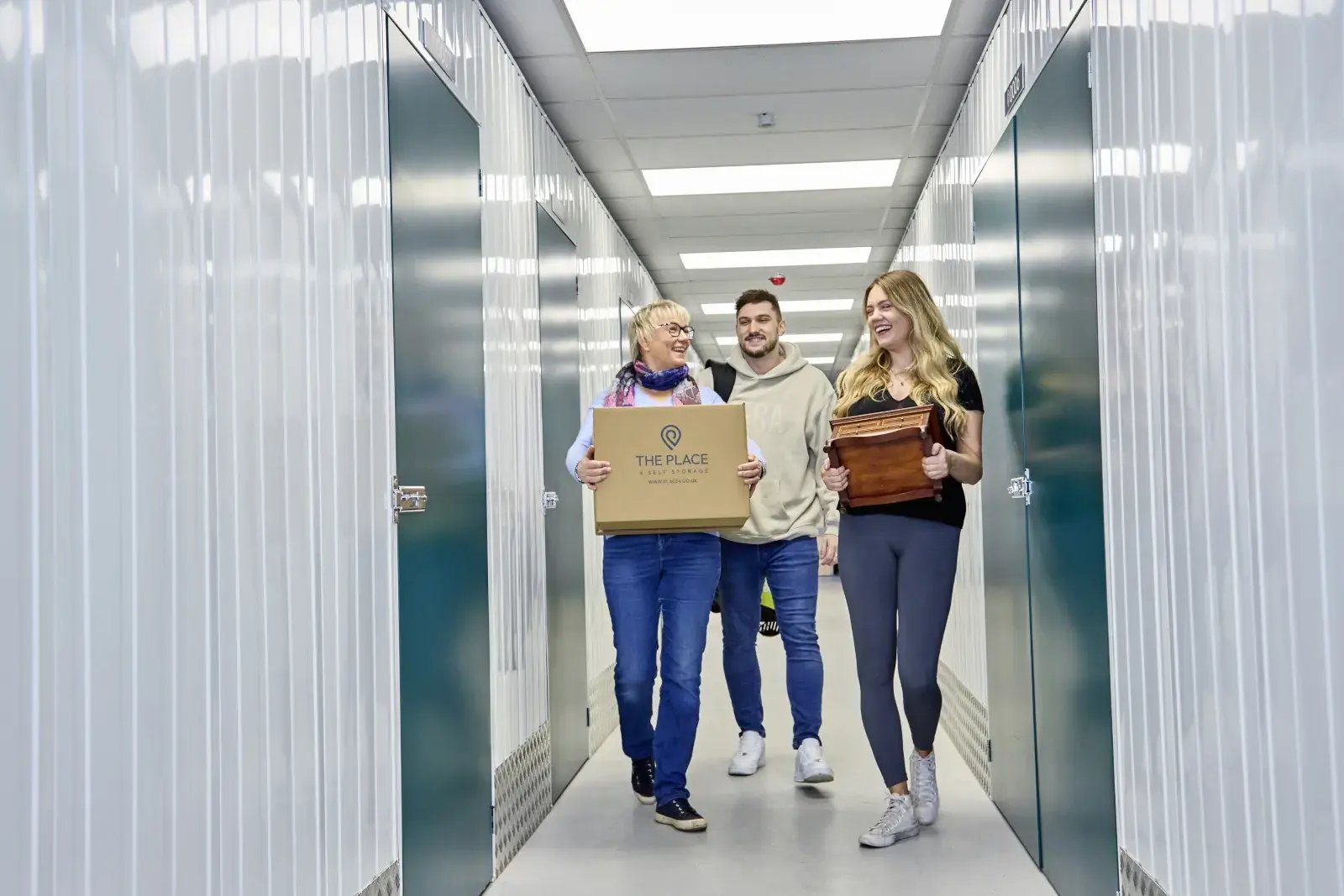
The role of a self-storage unit is to provide you with additional space outside of your home, allowing you to keep hold of belongings without having them take up valuable room in your living areas.
At The Place 4 Self Storage, you can choose a storage unit to suit your requirements, whether you need a little somewhere to store a few boxes or a more industrial-style unit for larger household items. Renting a storage unit is a great way to create more space at home while keeping the things that matter most to you.
6. Make Decluttering a Regular Habit
You've put in the effort to declutter your home, the last thing you want is for everything to build up again.
Try to introduce a few simple habits to keep your home organised. For example, review your wardrobes every season, avoid buying things you don't really need and put belongings back in their designated places after use.
You could also set aside a little time every month to tackle any areas that are starting to become cluttered again.
Create More Space with The Place
Decluttering your home doesn't have to mean saying goodbye to everything you own! Sometimes, all you need is a little extra space to make your home feel more organised and comfortable.
If you're running out of room but aren't ready to part with your belongings, self-storage could be the solution. Explore the range of storage units available at The Place today and find the space you need to get your home back in order.
