





Sometimes, having more space isn't about moving somewhere bigger. It might be about making a house move less stressful, keeping furniture out of the way during renovations or finding somewhere for your belongings while you're travelling. In these situations, short term storage can give you the breathing room you need without making a long-term commitment.
The challenge is finding a storage solution that fits your circumstances. How long will you need the space? How much room will your belongings take up? And what should you look for when comparing facilities? Getting these details right can help you avoid unnecessary costs and can make storing your belongings much simpler.
What Is Short Term Storage?
Short term storage allows you to rent a storage unit for a limited period, giving you somewhere to keep belongings outside your home or workplace. You can use it for furniture, boxes, seasonal items, business stock and other suitable possessions that you don't currently have room for.
Unlike using a spare room or garage, a dedicated storage unit gives you a separate space for belongings you want to keep but don't need every day. This can be particularly useful when your circumstances are changing and you don't yet know what you'll need in the longer term.
Rental agreements vary between providers. Some offer short rental periods, while others require a minimum commitment or operate on a monthly basis. Understanding these terms before booking helps you choose an arrangement that suits your plans.
When Might You Need Short Term Storage?
The need for extra space often arises during periods of change. Having somewhere to keep your belongings can make these transitions easier to manage.
Moving House
Moving dates don't always line up neatly. You might need to leave your current property before your new home is ready, or you may want to move some belongings ahead of the main moving day.
Short term storage gives you somewhere to keep furniture and boxes during the transition. It can also help when downsizing, giving you time to work out what will fit into your new home without rushing decisions about possessions you want to keep.
Renovating or Decorating
Home improvements can quickly turn a comfortable room into a busy work area. Moving furniture and personal belongings elsewhere creates more space for contractors and helps protect items from dust, paint and accidental damage.
For larger renovations, you might need storage for several weeks or months. Having a dedicated unit means you can clear rooms properly and return your belongings once the work is complete.
Decluttering or Downsizing
Decluttering can be difficult when you're not ready to part with everything. Sentimental possessions, occasional-use furniture and seasonal decorations might not need a permanent place in your home, but that doesn't mean you want to, or should have to, get rid of them.
Temporary storage gives you time to decide what to keep, donate or sell. It can also help when preparing a property for sale, allowing you to clear excess belongings without making irreversible decisions.
Travelling or Working Abroad
Extended travel and temporary relocations can leave you with belongings that need a home while you're away. If you're moving out of rented accommodation or spending several months overseas, paying to keep everything in your property might not be practical.
A storage unit can provide somewhere to keep suitable possessions until you return. Before booking, consider how long you'll be away and whether you'll need someone to access your belongings on your behalf.
House Clearances
Clearing a property can take time, particularly when you're sorting through a family home or dealing with a bereavement. You may need to keep furniture, photographs and other possessions safe while deciding what should happen to them.
Temporary storage provides additional space while you organise the clearance at a manageable pace, rather than feeling pressured to make decisions straight away.
Temporary Business Storage
Businesses can also benefit from having extra space without committing to larger premises. Seasonal stock, archive files, promotional materials, tools and office furniture can take up valuable room, particularly during busy periods or refurbishments.
Short term storage can help businesses manage temporary changes in demand, relocate an office or keep suitable equipment out of the way until it's needed again.
How Long Can You Rent Short Term Storage For?
The length of a storage rental depends on the provider and the agreement you choose. Some facilities offer weekly rentals, while others require a minimum period of a month or longer.
Think about your expected timeframe before booking. If you're storing furniture during a house move, you might only need a unit for a few weeks. A renovation or extended trip could require several months of storage.
It's worth allowing some flexibility, particularly when your plans depend on other people or external deadlines. House completions can be delayed, building work can overrun and travel arrangements can change.
Before committing, check the minimum rental period, payment frequency, notice requirements and whether you can extend your agreement. A flexible arrangement can be more useful than a cheaper rate that leaves you with limited options if your circumstances change.
How Do You Choose the Right Storage Unit Size?
Choosing the right unit size is about more than fitting everything inside. You also need to consider how your belongings will be arranged and whether you'll need to access them during your rental.
Start by listing everything you plan to store, including larger items such as sofas, beds and wardrobes. Estimate how many boxes you'll have, too, as smaller belongings can take up more space than expected.
As a general guide:
- Small units can suit boxes, suitcases, seasonal decorations and a few smaller possessions.
- Medium units may accommodate furniture and belongings from a room or smaller flat.
- Large units are more suitable for furniture from several rooms, larger house moves or substantial amounts of business stock.
These categories are only a starting point, as dimensions vary between facilities.
Packing efficiently can help you make better use of your space. Dismantle furniture where practical, use sturdy boxes and stack items safely. If you'll need to retrieve belongings regularly, leave room to reach the items at the back of your unit. Take a look at our storage hacks for guidance on how to maximise your unit space.
If you're unsure which size you need, ask the storage provider for guidance before booking. It's better to estimate your requirements carefully than to discover on moving day that you need a different unit.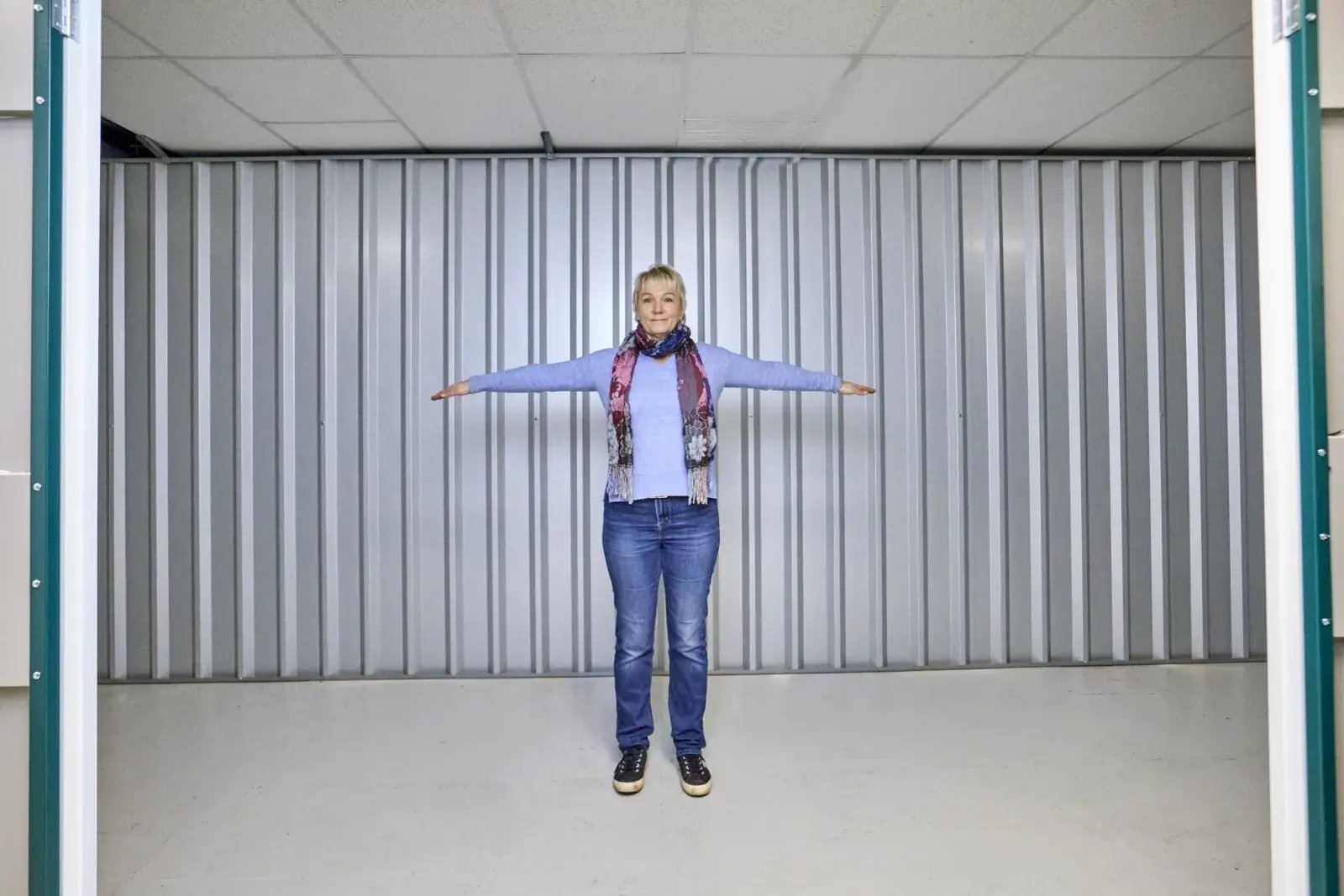
How Much Does Short Term Storage Cost?
Storage costs depend on several factors, including unit size, location, rental duration and the terms offered by the provider. Larger units generally cost more, so working out how much space you need is a useful first step.
However, the lowest advertised price isn't necessarily the best value. A cheaper unit might be less convenient to reach, or its rental terms might not suit your timeframe.
When comparing storage prices, check:
- Rental charges: Understand the rate, payment frequency and minimum commitment.
- Insurance: Find out whether cover is included, optional or required separately, and check that it protects the belongings you're storing.
- Additional fees: Ask about deposits, administration charges, locks and other potential costs.
- Access arrangements: Consider whether the facility's opening hours suit your schedule.
- Location: Factor in the time and cost of transporting belongings to and from the unit.
Ask for a clear breakdown of the costs before booking. If your plans might change, check whether extending your rental will affect the price.
What Should You Look for in a Storage Facility?
The right facility should suit both your belongings and the way you intend to use the space. A few practical checks can help you make a more informed decision.
Security and Insurance
Find out what security measures are in place, such as CCTV, controlled entry and alarms. Check whether individual units have their own alarms or locking arrangements, rather than assuming every facility offers the same features.
Insurance is another important consideration. Ask what cover is available, whether you need to arrange your own policy and whether there are any restrictions on the items you can store.
Access and Convenience
Think about how often you'll need to visit your unit. If you're storing furniture during a move, occasional visits might be enough. If you're keeping business stock or equipment, you may need more frequent access.
Check opening hours, access procedures and loading arrangements before booking. A convenient location can save time and make transporting heavy or bulky items easier.
Cleanliness and Storage Conditions
Your belongings should be clean and dry before being placed in storage. Check that the facility is well maintained and that the unit is suitable for the items you intend to keep there.
Some belongings, including sensitive electronics, important documents and certain materials, may require specific temperature or humidity conditions. Confirm that these needs can be met, as not every storage unit provides a climate-controlled environment.
Rental Flexibility
If you're unsure how long you'll need storage, check how easy it is to extend or end your rental. Clear terms can help you avoid unexpected charges or the inconvenience of moving your belongings elsewhere.
It's also worth checking what happens if you need to leave earlier than planned. Understanding the agreement upfront makes it easier to budget and plan around your circumstances.
How Can You Prepare Your Belongings for Storage?
Good preparation helps keep your belongings in suitable condition and makes it easier to find what you need later.
Make sure furniture and other items are clean and completely dry before storing them. Use sturdy boxes, label them clearly and wrap fragile possessions in suitable protective materials. Keep screws and fittings from dismantled furniture in labelled bags so they're easy to find when you need them.
Creating an inventory can also be useful, particularly if you're storing lots of boxes or valuable belongings. A simple list or a few photographs can help you keep track of what's in your unit.
Consider which items you might need to access during your rental. Place these near the front and avoid stacking heavy boxes on top of fragile belongings. Keeping a clear walkway will make retrieving items easier.
Finally, check the facility's prohibited-items list before moving in. Perishable food, flammable materials and hazardous substances are commonly restricted, although the rules vary between providers.
Find Flexible Short Term Storage with The Place
Finding the right storage unit gives you more control over a move, renovation or other change in circumstances. With the right amount of space and rental terms that suit your plans, you can keep your belongings safe without filling your home or workplace with items you don't currently need.
The Place 4 Self Storage offers self storage for personal and business use, with a range of unit sizes and secure individual storage units. With a minimum rental period of just one week, it can accommodate shorter storage requirements as well as longer stays.
You can explore facilities in Swindon, Petersfield and Alton to find a convenient location for your belongings. Visit the self storage FAQs for further information, or explore the available business storage options if you need additional space for your company.
Ready to make some room? Contact our expert team to find out more.